Periods of extreme heat and limited rainfall can affect many areas of everyday life, including properties that rely on private wastewater systems. If your home uses a septic tank, treatment plant or cesspit, prolonged dry weather can change the conditions around your system and may contribute to problems if issues are left unnoticed.
At A Better Service, we help homeowners and businesses with dependable septic tank emptying, treatment plant maintenance, cesspit emptying and drainage services.
We understand how important it is for private drainage systems to continue operating safely, especially during periods of challenging weather.
Although septic tanks and cesspits are designed to cope with changing seasons, drought conditions can affect the surrounding ground, drainage areas and underground pipework. Knowing what to look out for and taking a few simple precautions can help keep your system working effectively.
Why dry weather can affect private drainage systems
A septic tank and cesspit are built to be robust, but they rely on the surrounding environment to remain stable.
A septic tank system works by treating wastewater before releasing the liquid element into a drainage field or soakaway. The performance of this drainage area can depend on the condition of the surrounding soil.
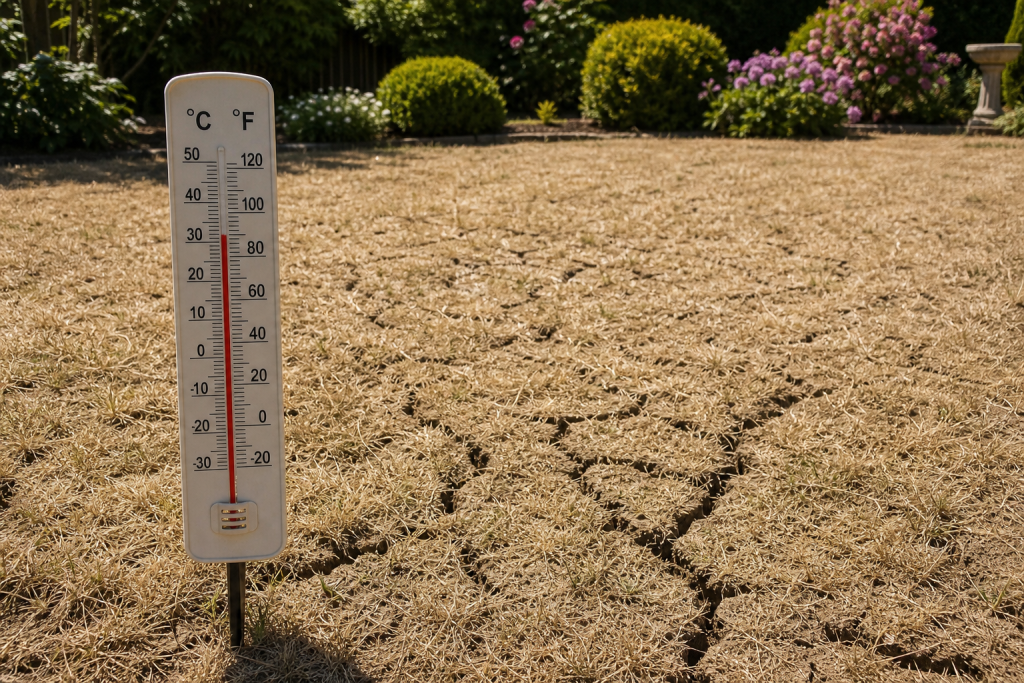
During a prolonged dry spell, the ground can lose moisture and become harder, drier and less stable. This can lead to movement in the soil, which may place pressure on underground drainage pipes and other components of the system.
A cesspit works differently because it is a sealed storage tank that collects wastewater until it is emptied. As there is no drainage field involved, drought conditions have less impact on how the tank operates. However, changes in the surrounding ground can still affect the tank structure, pipe connections and access points.
The potential effects of drought on septic tanks and cesspits
Dry ground can lead to soil movement
One of the main concerns during a long period without rainfall is the effect on the ground surrounding your drainage system.
As soil dries out, particularly heavy clay soils, it can shrink and contract. This movement may put pressure on underground pipes and connections, potentially causing damage over time.
Possible issues include:
- Cracked or displaced pipework
- Damaged joints between pipes
- Changes to the way wastewater flows through the system
- Movement around tank covers and inspection points
Some damage may remain unnoticed during the dry period and only become apparent once wetter weather returns and the ground begins moving again.
Drainage fields may behave differently after prolonged dry weather
The drainage field connected to a septic tank plays an important role in safely dispersing treated wastewater into the ground.
During dry conditions, the soil may initially absorb water well because it contains little moisture. However, after an extended drought, the structure of the soil can change. When heavy rain eventually arrives, the ground may struggle to absorb large volumes of water quickly.
This can place additional pressure on the drainage system and may result in:
- Slow wastewater movement
- Standing water around the drainage field
- Unpleasant odours
- Reduced system performance
If these signs appear, it is worth arranging professional advice before the issue becomes more serious.
Tree roots can become a greater concern
During periods of hot, dry weather, plants and trees naturally search for available sources of moisture. This can encourage roots to spread further through the ground and towards underground pipes.
If roots enter drainage pipework, they can cause:
- Blockages
- Cracks or splits
- Restricted wastewater flow
- Damage to older drainage systems
If you have large trees or established shrubs close to your septic tank, cesspit or drainage field, it is worth keeping an eye on the area during prolonged dry weather.
Warning signs your system may need attention
Private drainage problems are often easier and less expensive to resolve when they are identified early. During drought conditions, homeowners should look out for any changes that could indicate a developing issue.
Unpleasant smells near your tank or drainage area
Strong sewage odours may suggest that wastewater is not moving correctly through the system or that maintenance is required.
Toilets, sinks or showers draining slowly
A change in drainage speed can be an early indication of a blockage, a full tank or a problem with the drainage field.
Unexpected wet areas in a dry garden
During a drought, most gardens will become dry. Areas that remain unusually wet, green or waterlogged may indicate that wastewater is not dispersing correctly.
Cracks, dips or movement around access points
Ground changes can sometimes be seen around:
- Tank covers
- Inspection chambers
- Drainage areas
- Underground pipe routes
Any noticeable movement should be investigated.
Your cesspit requires emptying more often
During hot weather, water usage can increase. More visitors, outdoor activities, additional washing or filling garden equipment can all increase the amount of wastewater entering a cesspit.
Keeping track of your usual emptying schedule can help identify changes early.
Simple steps to protect your system during dry weather
While homeowners cannot control the weather, there are practical steps that can help reduce the risk of problems developing.
Keep your maintenance schedule on track
Regular emptying and servicing remain important throughout the year, including during drought conditions.
A properly maintained septic tank or cesspit will be better prepared to deal with changes in weather and household usage.
Be sensible with water usage
Try to avoid sending large amounts of water into your system in a short period.
Where possible:
- Spread washing machine use throughout the week
- Avoid emptying large volumes of water into the system at once
- Be mindful of increased summer water usage
Small changes can help reduce unnecessary pressure on your drainage system.
Protect the area around your drainage system
To help avoid damage:
- Do not drive over drainage fields or soakaways
- Avoid placing heavy items above underground pipework
- Be cautious when planting trees or large shrubs near drainage systems
Keeping the surrounding area protected helps maintain the stability of the system.
Arrange professional help if you notice changes
If your septic tank or cesspit begins showing signs of a problem, early action is always recommended.
A professional assessment can help identify whether the issue is a simple maintenance requirement or something more significant, such as damaged pipework or drainage problems.
Preparing your septic tank or cesspit for changing weather conditions
Drought conditions are not usually enough on their own to cause a private drainage system to fail, but they can highlight existing weaknesses or create conditions where problems are more likely to occur.
By carrying out regular maintenance, monitoring your system and responding quickly to warning signs, you can help keep your septic tank or cesspit operating efficiently throughout periods of extreme weather.
At A Better Service, we provide reliable septic tank emptying, cesspit emptying and drainage support services for customers who depend on private wastewater systems. Our experienced team is always on hand to provide practical advice and professional assistance when you need it.
Whether the weather is extremely dry or we are facing periods of heavy rainfall, looking after your drainage system helps protect your property, the environment and the long-term performance of your wastewater solution.