Let’s talk sewage! Although not the most glamorous topic, cesspits and septic tanks are vital underground systems used for gathering wastewater and sewage from properties that are not connected to the main sewer.
Many homeowners have cesspits and septic tanks on their property, so it’s important to understand exactly what they are and how they work. People often use the two terms interchangeably. And whilst they both fundamentally do the same job, there are some significant differences between the two systems.
Read on to find out more about the difference between a cesspit and a septic tank.
What Is a Cesspit?
A cesspit is an underground chamber that holds wastewater and sewage until it reaches a level where it needs pumping out. The main thing to note about a cesspit is that it is a storage-only solution and does not treat the sewage.
Cesspits are typically installed when there is no alternative onsite wastewater solution, such as a septic tank or sewage treatment plant, or when the ground is unsuitable for waste treatment.
A typical cesspit is a sealed, fully enclosed tank with a single chamber and no outflow. It is discreetly buried underground with a manhole cover for easy access.
What Is a Septic Tank?
A septic tank system is a simple and clever way of treating wastewater from a home when a property is not connected to a public sewer system, such as in rural areas.
The tank consists of two chambers. In one chamber, solids collect at the bottom of the tank where decomposition begins. The liquid then moves into a second chamber where excess solids float and waste liquid drains from the tank into a soakaway.
The tank’s design ensures that most untreated waste remains within its chambers, so that only cleaner materials leave the tank.
What’s The Difference Between A Cesspit & A Septic Tank?
Cesspits only consist of a single chamber with no outlet, do not process or treat wastewater or sewage, and do not have a drainage field attached to them. As a result, they fill up much quicker than septic tanks, need to be emptied more frequently, and are more expensive to run. Essentially, a cesspit would generally be the last resort.
On the other hand, septic tanks have multiple chambers and use a natural biological process to treat wastewater before releasing it into a drainage field. Unlike cesspits, septic tanks have an outlet pipe for drainage and a drainage field attached to them, which means they do not need to be emptied as regularly.
How Often Should Cesspit & Septic Tank Emptying Be Completed?
Regular maintenance of septic tanks and cesspits is crucial to prevent blockages and sewage build-up. The recommended frequency for emptying a septic tank or cesspit depends on factors such as the size of the tank, the number of occupants in the property, and the volume of waste produced.
As a general rule, cesspits require emptying on a regular basis. While septic tanks may be required to be emptied monthly, or maybe even just annually. It’s recommended to keep track of maintenance appointments and check the level of the tank regularly. Failure to maintain these systems can result in bad odours, environmental pollution, and costly repairs.
What Are The Maintenance Requirements?
Proper maintenance of cesspits and septic tanks is crucial to prevent costly repairs and environmental damage. Both require regular cleaning and maintenance checks to prevent harm to the adjacent environment and avoid fines. Here are the maintenance requirements for each system:
Cesspit Maintenance:
- Regular emptying, frequency depends on the number of occupants and usage frequency.
- Check the level in the tank regularly to prevent overflowing.
- Keep the area surrounding the utility hole clear for easy access.
- Sediment layer may require high pressure jetting or manual removal.
- Dispose of sewage at an authorized site and keep proper receipts.
Septic Tank Maintenance:
- Desludging around once a year.
- Check for wear and tear and call for repairs if needed.
- Do not flush medicines or non-biodegradable items down the toilet.
- Do not clean your house with non-biologically friendly cleaning products.
- Check the percolation area regularly for signs of contamination.
- Dispose of sewage at a registered disposal site and keep a record of maintenance appointments.
Domestic Cesspit & Septic Tank Emptying Services Near Reading
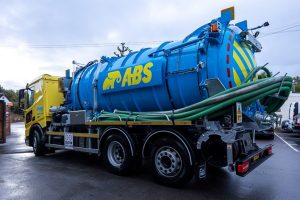
A Better Service has been providing cesspit emptying and septic tank services since 1989. Based in Reading, we offer a professional and affordable service to customers without access to mains drainage across Berkshire, Hampshire, and Oxfordshire.
A Better Service can offer our high-pressure jetting units attached to every single vacuum tanker we have in our fleet. This allows the cleaning of your septic tank at the same time as your routine empty.
With a large fleet of tankers in a range of different sizes, our cesspit and septic tank emptying services are available at both competitive rates and availability.
Our drivers are all highly experienced and will empty your sewage tank with minimal interruption to your day. They take pride in completing the job safely and without disruption to you or your property.
Contact us to find out more!