A domestic septic tank is more commonly used in rural areas where properties are not connected to main public sewerage systems. They are underground tanks used to facilitate the storage and treatment of wastewater from a property.
Septic tanks contain sludge and allow partially treated effluent to drain off, usually to a local watercourse or soakaway. The tank usually consists of two chambers one of which will collect solids and where decomposition can take place, the second chamber allows liquids to drain from the tank into a soakaway where it undergoes further filtration through soil.
Septic tanks are pretty impressive at what they do, but they can be quite sensitive! It is crucial for septic tanks to receive regular maintenance and cleaning to ensure they function correctly and do not overfill or release contaminated waste into the local environment.
What Are The Signs That Your Septic Tank Is Full?
A septic tank is designed to hold a certain amount of waste to work properly. If a septic tank becomes too full of waste it can overflow into the surrounding areas.
However, there are signs that a septic tank may be full before this event! Some signs to look out for include:
Slow Drains
When your septic tank is filling up it may stop operating efficiently and you may notice your drains slowing down. If you notice your toilet filling up before it empties and your shower not draining and creating puddling, this may be a clear sign that your septic tank is full and needs emptying. It is important to note that this could also be a sign that there is a blockage in the pipe.
Pungent Smells
If you step into your garden and smell pungent sewer odour – this is not normal. If the septic tank is too full it will struggle to contain the fluids and gasses from the waste and it will produce quite an odour. Again, if you start to notice your septic tank beginning to let off strong odours then it is time for septic tank maintenance and emptying.
Puddles of water in the garden
If you start to notice that your garden or yard is becoming wet with puddles of water in different spots this could point to an issue with your septic tank. It could be full or there may be another issue. If the tank is regularly maintained it is most likely to be full rather than a mechanical issue.
When the tank is full but there is continued flushing of toilets, and running of baths and showers the drainage water will have nowhere to go and will spill out of the tank and create puddles.
You may not realise that this is septic fluid as it can become clear once it has travelled up through the soil, however, this is contaminated fluid and can be harmful to the environment.
Backup in toilet/sink
When flushing your toilet, if you notice the bowl filling up before it empties, or if it fills up and then struggles to empty at all – this could mean that your septic tank is full, and it is struggling to allow any further waste to be collected.
This could also potentially mean there is a blockage somewhere in the system. Either way, it is a clear sign that your septic tank needs maintenance and potentially needs emptying as soon as possible.
How Often Do Septic Tanks Need Emptying?
The frequency in which a septic tank will need emptying will depend greatly on the size of the household and the volume of use. It is recommended that your tank is maintained and cleaned frequently to ensure that it can work to the best of its ability and to ensure the longevity of the tank.
Depending on the volume of use, some septic tanks will require emptying every month, whereas others with lower usage may only need to be emptied once or twice per year. It is a good idea to keep a record of when your tank is cleaned and maintained to prevent any issues in the future and to have an idea of when it may be time for your tank to be emptied again.
Septic tanks which are not maintained can release harmful pollutants into the local environment and it could lead to expensive repairs.
What Time of Year is Best to Empty My Septic Tank?
You may not think there is an optimum time for having your tank emptied, however, there are points in the year that are better than others.
A great time of year to empty your septic tank is typically around late springtime. The weather is a little warmer which promotes the bacteria within the tank to break down waste solids.
We also recommend that you schedule maintenance and emptying of your septic tank in readiness for any expected heavy rainfall or snow as the excess water can make your septic tank work a lot harder than normal. This will also help the tank to drain water and keep it at a consistent level.
Where Do I Empty My Septic Tank?
Your septic tank should only be emptied by licenced waste carriers. The contents of your septic tank contain harmful pollutants which if not dealt with properly there is a risk that the contaminants could pollute the local environment.
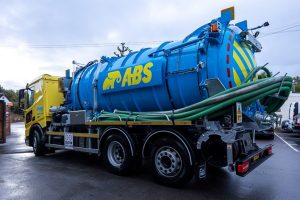
At A Better Service, we use our high-pressure jetting units attached to our vacuum tanker. This allows us to not only empty your tank but clean it at the same time.
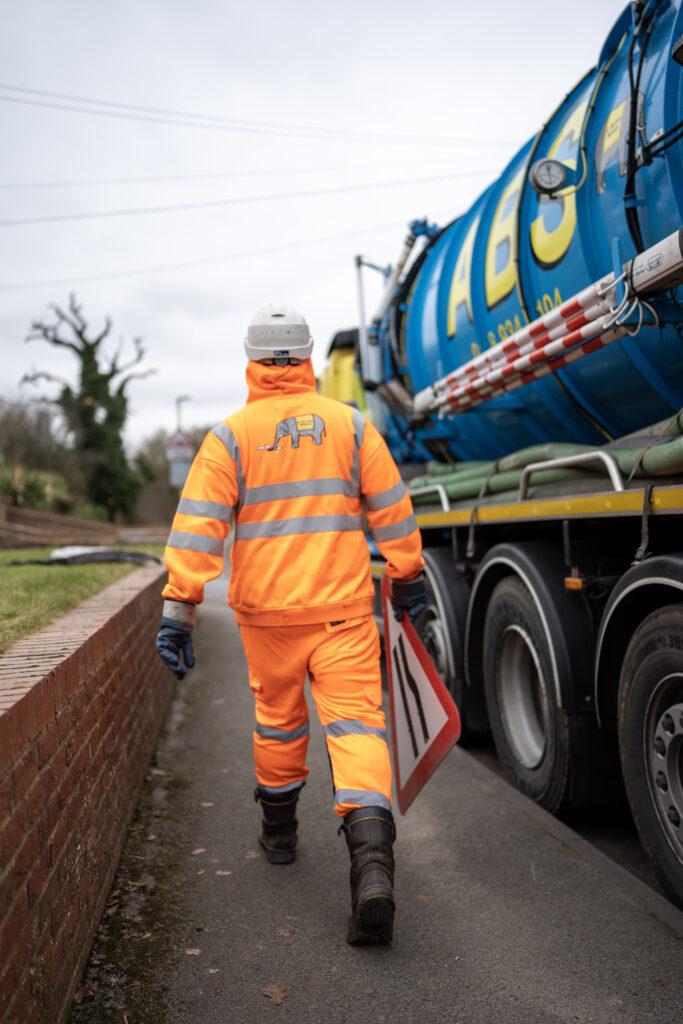
We have a large fleet of tankers in a range of sizes to suit all locations and jobs. Our team at ABS are highly experienced and can empty your sewage tank with minimal interruption to your day. We take pride in completing all of our jobs safely taking care of your septic tank and your property.
How Much Does it Cost to Pump A Septic Tank in My Area?
The cost of emptying and maintaining your septic tank will depend greatly on the area you live in and the size of your tank.
It will also vary depending on the previous upkeep of your tank. If your tank has been well looked after and maintained, emptying and cleaning your tank will be more straightforward than if your tank has not been maintained consistently.
At ABS, we offer our professional services at both competitive rates and availability.
Contact our friendly team today to find out more about our septic tank cleaning services.