When managing wastewater in off-grid locations, understanding the options available, such as sewage drainage, drainage tankers, and long-term drainage servicing, is key to ensuring functionality, compliance, and cost-effectiveness.
At A Better Service, we support customers across Berkshire, Buckinghamshire, Hampshire, Gloucestershire, London, Oxfordshire, Somerset, Surrey, Wiltshire, and Wales in maintaining their cesspit or septic tank with regular emptying and tanker support.
Each system plays a distinct role in properties without access to mains drainage. Whether you’re reviewing an existing system or booking your first emptying service following installation, it’s vital to understand how these setups differ, and which one is most suitable for your site conditions and legal responsibilities.
Managing Waste Off the Grid
While cesspits and septic tanks both handle wastewater from properties not connected to the main sewer, their operation and maintenance are entirely different.
- Cesspits: These are sealed underground storage units designed purely to contain waste. There’s no treatment involved, the contents must be removed regularly by a licensed waste operator. Everything that enters the cesspit stays there until emptied, typically every few weeks.
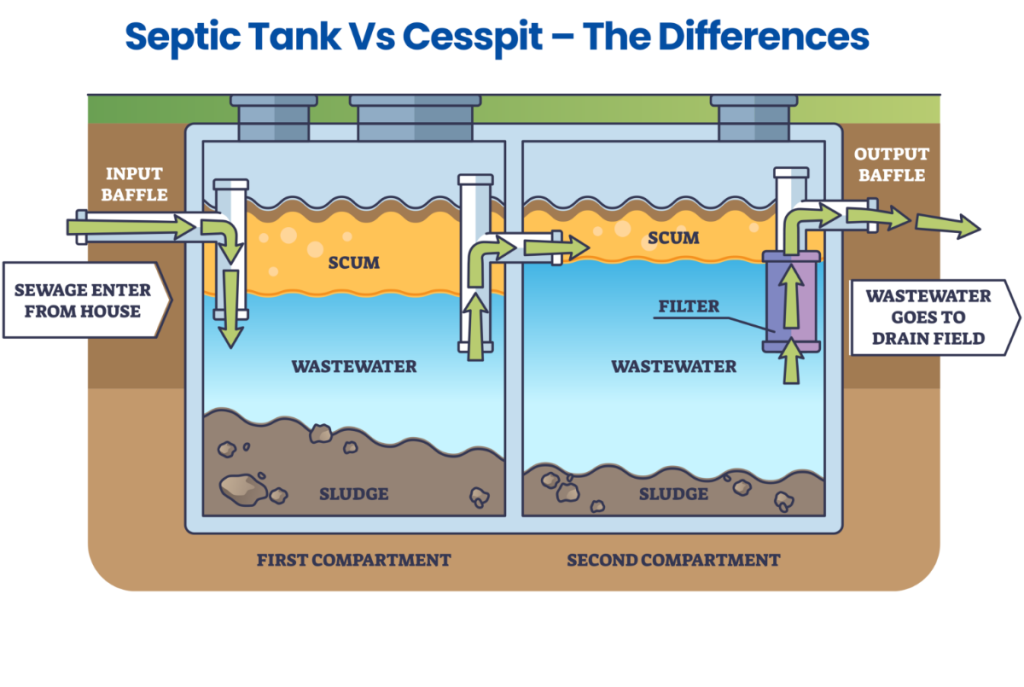
- Septic Tanks: These are basic treatment systems. Wastewater enters the tank, where solids settle and are partially broken down by natural bacteria. The remaining liquid then drains into a soakaway or drainage field, filtering safely into the surrounding soil.
Choosing the right system depends on ground conditions, available space, and environmental regulations.
Legal Compliance Across Southern England and Wales
Keeping on the right side of the law is essential when dealing with off-mains drainage.
- Cesspits are strictly regulated due to their potential environmental impact. They must be completely sealed, regularly emptied, and properly maintained. Overflow or leakage can lead to serious environmental breaches and substantial fines.
- Septic Tanks are subject to the General Binding Rules, which state that if your system discharges into a drainage field, you might not need a permit, provided certain criteria are met. Since 2020, it has been illegal for septic tanks to discharge directly into watercourses. Outdated or non-compliant systems must be upgraded or replaced.
Wherever your property is, whether in the Chilterns, the South Downs, or rural parts of Somerset, A Better Service ensures your system stays legally sound and environmentally responsible through expert drainage servicing and tanker support.
Making the Right Choice for Your Property
Several factors influence whether a cesspit or septic tank is suitable:
- Soil Type: Clay or poorly draining soil often rules out septic tanks.
- Proximity to Water: Regulations may prohibit treated effluent discharge near streams or wells.
- Land Availability: Septic systems require sufficient space for a drainage field.
- Usage Levels: Higher occupancy or commercial use may favour a system with treatment capabilities.
In restricted locations, a cesspit may be the only feasible solution. In contrast, a septic tank offers lower operational costs and better long-term sustainability, if site conditions support its use.
Tip: Select a qualified installation company that understands local site requirements, soil testing, and drainage regulations. Once installed, book A Better Service for your first cesspit or septic tank emptying and maintenance visit.
Emptying and Maintenance Services Tailored to You
Our waste management services are built around reliability, efficiency, and environmental care.
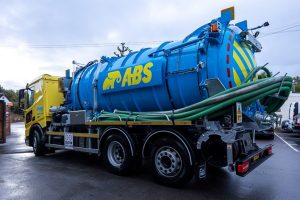
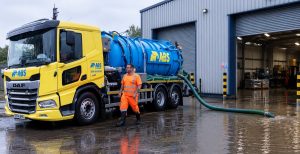
Whether you’re a homeowner in Wiltshire or managing a commercial site in Wales, we provide regular flood water drainage, surface water drainage, and wastewater servicing using our modern fleet of tankers.
- Cesspit Servicing: Typically emptied every 4–6 weeks. We offer pre-booked appointments for convenience and to prevent emergency situations.
- Septic Tank Maintenance: Usually emptied once per year. During each visit, we remove sludge build-up and inspect the system for any signs of damage or blockage, helping to extend its lifespan and prevent failures.
We also offer proactive Septic Tank and Cesspit maintenance plans, helping clients stay compliant and avoid costly issues down the line.
Comparing the Benefits
Each type of off-mains drainage system comes with distinct advantages and potential drawbacks:
| Feature | Cesspit | Septic Tank |
| Treatment | Stores all waste without treatment; best for sites where discharge isn’t possible | Provides basic treatment and discharges to a drainage field |
| Emptying Frequency | High – typically every 4 to 6 weeks dependent on usage | Low – typically once a year |
| Installation Space | Compact – no outflow or drainage field required | Requires soakaway or drainage field; needs more land |
| Compliance Burden | Stricter regulations and more frequent waste removal | May be exempt from permits under General Binding Rules |
| Environmental Impact | Higher risk without regular maintenance; managed through professional servicing | Lower footprint with proper care; eco-friendly option for long-term use |
Local Experts You Can Trust
With decades of experience supporting rural homes and commercial sites across Southern England and Wales, A Better Service is your trusted partner for drainage tankers, cesspit and septic tank emptying, and ongoing servicing support.
From regular scheduled collections to responsive emergency callouts, our friendly and experienced team provides dependable service and honest advice.
Need support with your sewage drainage system? Call us today on 0118 934 0104 or email [email protected] to discuss your needs or arrange a cesspit or septic tank emptying service.