Reliable Wash Bay Tank Emptying for Businesses Across London, Oxford, Reading and Southern England
Keeping vehicles clean is an important part of running many businesses, from commercial transport operators and fleet depots to vehicle preparation centres and public car washes. But while the cleaning itself may be straightforward, dealing with the wastewater it creates requires careful management.
Vehicle wash wastewater can contain oils, fuels, detergents, road dirt, brake dust, tyre particles and other contaminants. Allowing this wastewater to enter the wrong drainage system can create environmental risks and potentially serious compliance issues.
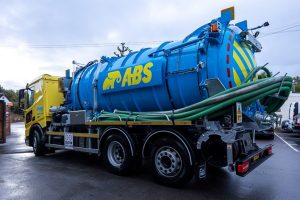
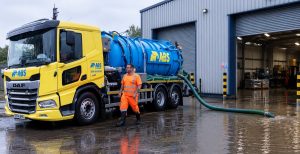
A Better Service provides professional vehicle wash bay wastewater tank emptying and removal for commercial and domestic vehicle washing facilities across London, Oxford, Reading and surrounding areas.
We can arrange regular scheduled collections, one-off tank emptying and responsive support when an unexpected problem occurs.
Our aim is simple: to help keep your wash bay operating properly while ensuring contaminated wastewater is handled responsibly.
Who Can Benefit From Vehicle Wash Bay Wastewater Removal?
Wash water is produced in many different environments, not just traditional car washes.
A Better Service can support a wide range of businesses and facilities, including:
- Commercial Vehicle Washes: High-volume wash facilities can generate substantial quantities of wastewater. Regular tank emptying helps prevent capacity issues and keeps day-to-day operations running smoothly.
- HGV and Lorry Washing Facilities: Heavy vehicles can bring considerable quantities of mud, road grime, oil and other contaminants into a wash bay. Effective wastewater management is therefore particularly important.
- Fleet Maintenance Depots: Companies responsible for maintaining their own vehicle fleets may produce wastewater throughout the year. Planned collections can help prevent tanks from becoming full and disrupting maintenance activities.
- Bus and Coach Operators: Regular cleaning of buses and coaches can create significant wastewater volumes. A suitable collection programme helps operators manage this waste efficiently.
- Van Rental Businesses: Rental vehicles need to be cleaned and prepared between customers, creating a continuing requirement for effective wash water management.
- Agricultural Machinery Washing Areas: Tractors and other agricultural equipment can introduce mud, soil, organic matter and other debris into wash water, creating a need for suitable containment and removal.
- Plant and Equipment Cleaning Facilities: Construction, industrial and other machinery can leave heavily contaminated wastewater behind after cleaning. Specialist removal helps businesses manage this waste appropriately.
- Public and Automated Car Washes: Busy customer-facing facilities can fill wastewater tanks quickly. Regular emptying is an important part of keeping these operations functioning effectively.
- Vehicle Dealerships and Preparation Centres: Vehicles being prepared for display or sale are often washed frequently, creating a regular flow of contaminated wastewater that needs to be managed.
- Professional Valeting and Detailing Businesses: Dedicated wash bays used by domestic vehicle valets and detailing businesses can generate wastewater containing dirt, cleaning products, oils and other contaminants.
Whatever the size of your operation, keeping wastewater tanks emptied at appropriate intervals can help reduce the risk of overflows, maintain drainage performance and support responsible environmental management.
What’s Really in Vehicle Wash Water?
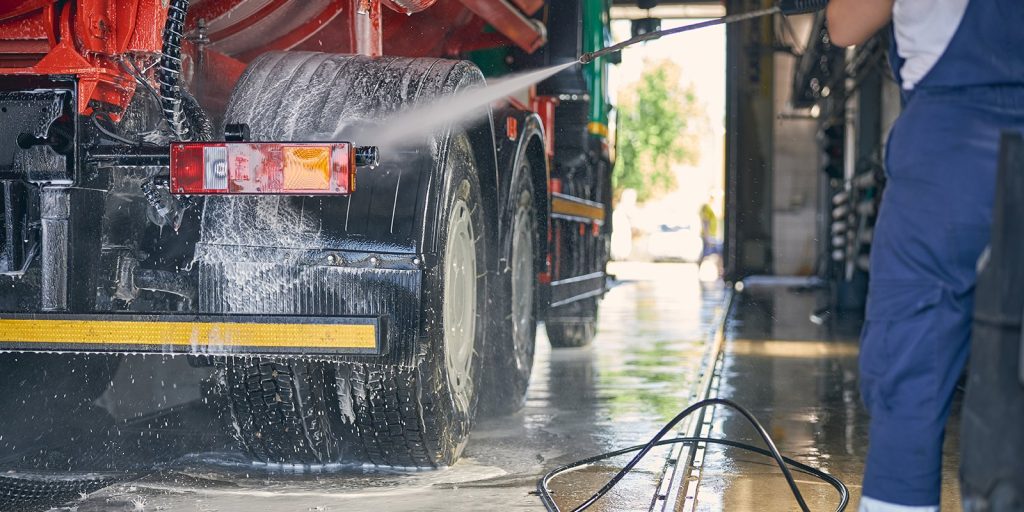
It can be easy to think of wash bay wastewater as little more than dirty water. In reality, it can contain a mixture of substances picked up from vehicles, road surfaces and cleaning processes.
Depending on the type of vehicles being washed and the products being used, wastewater can contain:
- Mud, dirt, sand and silt: This can settle within tanks and drainage systems and gradually reduce their capacity.
- Oil, grease and hydrocarbons: Including residues originating from vehicles and road surfaces.
- Brake dust and tyre particles: These are washed from vehicles during cleaning.
- Detergents and cleaning chemicals: Including vehicle shampoos and traffic film removers.
- Petrol and diesel residues: Can enter the wastewater during vehicle washing.
- Heavy metals: Including substances such as zinc, copper and lead that can be picked up from vehicles and roads.
- Road salt: Particularly during winter when treated roads leave salt deposits on vehicles.
- Leaves, insects and other organic debris: Can accumulate in wash bays and wastewater collection systems.
These contaminants mean that wash bay wastewater should not simply be treated in the same way as ordinary clean water. Appropriate containment, collection and disposal are essential.
Why Is Regular Wash Bay Tank Emptying Important?
A full or poorly maintained wastewater tank can quickly become more than a minor inconvenience.
Regular emptying helps businesses take a preventative approach to wastewater management rather than waiting for a tank to reach capacity or an operational problem to occur.
- Avoiding Overflow Problems: Scheduled tank emptying reduces the chance of wastewater reaching capacity and overflowing around your wash facility.
- Keeping Drainage Systems Working Properly: Mud, silt, oil and other accumulated material can affect the performance of drainage and wastewater systems. Removing this material regularly helps maintain effective operation.
- Reducing Unpleasant Smells: Wastewater and accumulated organic material can become stagnant over time. Regular servicing can help reduce the build-up that contributes to unpleasant odours.
- Limiting Disruption to Your Business: An unexpected wastewater problem could prevent a wash bay from being used. Planned collections provide greater control over when servicing takes place and can help minimise downtime.
- Reducing the Need for Emergency Work: Preventative maintenance is generally preferable to waiting for a tank to overflow or a drainage problem to develop. Regular collections can help businesses avoid unnecessary disruption and emergency callouts.
- Supporting Environmental Responsibilities: Proper wastewater management reduces the likelihood of contaminated water entering the surrounding environment and helps businesses take a proactive approach to pollution prevention.
- Protecting Watercourses and Groundwater: Keeping contaminated wash water contained and arranging its appropriate removal helps reduce the risk of pollutants reaching rivers, streams and groundwater.
A planned wastewater collection schedule can also make budgeting easier, particularly for businesses producing predictable volumes of wash water throughout the year.
Vehicle Wash Wastewater and Environmental Responsibilities
Businesses operating vehicle wash facilities have a responsibility to manage contaminated wastewater appropriately.
Vehicle wash wastewater can be considered trade effluent, depending on how it is produced and discharged. It should not simply be released into surface water drainage systems, onto the ground or into natural watercourses.
The permissions or consents required can depend on how your wastewater is handled and where it is discharged. Businesses should therefore ensure they understand the requirements applicable to their particular site and wastewater system.
Good wastewater management should include appropriate containment and responsible disposal.
- Keep Contaminated Water Contained: A suitable drainage and collection system helps prevent contaminated wash water from escaping before it can be properly managed.
- Keep Wash Water Out of Surface Water Drains: Surface water drainage systems can discharge towards rivers and streams. Contaminated vehicle wash water should therefore be prevented from entering these systems.
- Arrange Responsible Collection and Disposal: Using an appropriate waste management provider helps ensure collected wastewater is transported and managed through suitable waste handling processes.
- Take a Proactive Approach to Pollution Prevention: Regular inspections, planned tank emptying and appropriate wastewater management can all form part of a wider pollution prevention strategy.
Poor wastewater management can result in pollution, environmental damage, enforcement action and potentially substantial clean-up costs. Taking preventative action is therefore important for both the environment and your business.
A Flexible Service Built Around Your Operation
At A Better Service, we understand that every wash facility operates differently.
Some businesses may need frequent scheduled collections, while others may only require occasional tank emptying. We can provide a service designed around your individual requirements.
- Scheduled Collections: Regular wastewater tank emptying can be arranged around your operating schedule. Whether you need frequent servicing, periodic collections or an occasional visit, we can help establish an approach that works for your site.
- One-Off Tank Emptying: If your wastewater tank needs emptying without an ongoing collection arrangement, we can provide one-off support to help get your system back under control.
- Responsive Emergency Support: Unexpected wastewater problems can cause significant disruption. Our responsive service is designed to help businesses deal with urgent tank and wastewater issues and get their facilities operating normally again as quickly as possible.
- Experienced and Responsible Waste Handling: Our team understands the practical requirements involved in wastewater removal and works with businesses across commercial, industrial and domestic environments. Wastewater is collected, transported and disposed of through responsible waste management processes.
Vehicle Wash Bay Wastewater Services Across Southern England
A Better Service provides vehicle wash bay wastewater tank emptying in London, Oxford, Reading and surrounding areas, supporting customers across Southern England.
Our wider service operation supports domestic, commercial, industrial and utilities customers, with an out-of-hours emergency service available 24 hours a day, seven days a week.
This makes our service suitable for businesses that need a dependable wastewater removal partner rather than simply an occasional tank emptying service.
A Straightforward Approach to Wash Bay Wastewater Management
Managing wastewater is an important part of operating a vehicle washing facility, but it does not need to become a headache.
With appropriate containment, regular tank emptying and responsible wastewater removal, businesses can reduce the likelihood of overflowing tanks, avoid unnecessary disruption and help protect the environment around their premises.
Whether you operate a commercial vehicle wash, HGV wash bay, fleet depot, bus or coach operation, vehicle dealership, agricultural machinery wash area or professional valeting business, A Better Service can provide practical wastewater tank emptying solutions tailored to your requirements.
If you need vehicle wash bay wastewater removal in London, Oxford, Reading or the surrounding areas, speak to A Better Service about arranging a scheduled collection, one-off tank emptying or emergency support.