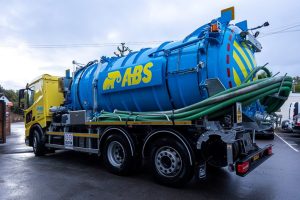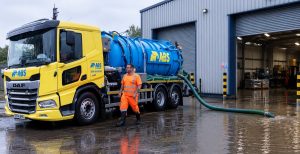
Commercial grease trap cleaning and emptying is an important service we offer to help keep your commercial kitchen drains clean, hygienic and running smoothly.
If you run a restaurant, café, hotel or commercial kitchen, keeping your drainage system in good working order is essential. From unpleasant smells and slow-draining sinks to stubborn blockages that disrupt service, grease build-up can quickly become a headache for any busy kitchen service.
At A Better Service, we understand how important reliable drainage is to your day-to-day operations. Regular grease trap cleaning and commercial kitchen drainage maintenance can help reduce the risk of blockages, minimise disruption and keep wastewater flowing as it should.
Why Is Commercial Grease Trap Cleaning and Emptying Important?
Commercial kitchens produce significant amounts of wastewater containing fats, oils and grease (FOG). These substances can enter the drainage system during food preparation, cooking, washing up and general cleaning.
A grease trap is designed to capture and separate much of this material before it enters the wider drainage network. Over time, however, the collected grease, fats and food debris build up inside the trap. Without regular cleaning and emptying, this accumulation can affect its performance and increase the risk of drainage problems.
Professional grease trap cleaning in London helps remove accumulated waste, allowing the equipment to work more effectively and reducing the likelihood of avoidable issues.
For businesses operating in London’s busy hospitality sector, taking a proactive approach to grease trap maintenance can make a real difference.
What Thames Water says about best practices for food businesses and commercial kitchens.
Signs Your Commercial Grease Trap Needs Cleaning and Emptying
Not sure whether your grease trap needs attention? There are several warning signs worth looking out for.
- Unpleasant smells: A strong, lingering smell around the kitchen, sinks or grease trap could indicate an accumulation of grease and organic waste.
- Slow-draining sinks: If water is taking longer than usual to drain away, grease build-up could be restricting the flow.
- Recurring drain blockages: Repeated problems with kitchen drains may suggest that grease is accumulating within the drainage system.
- Visible grease and residue: A noticeable build-up around the trap or associated pipework can indicate that maintenance is overdue.
- Overflowing or backing-up wastewater: Water backing up into sinks or other drainage points may signal a more serious problem requiring prompt attention.
These symptoms can have several causes, so a professional assessment can help identify the underlying issue and determine the most appropriate solution.
Acting early can help prevent a relatively straightforward maintenance task from becoming a more disruptive drainage emergency.
How Often Should a Commercial Grease Trap Be Cleaned and emptied?
There is no single cleaning and emptying schedule that suits every commercial kitchen. The frequency required will depend on factors such as the size and design of the grease trap, the volume of food prepared, the amount of grease entering the system and how heavily the kitchen is used.
A busy restaurant serving hundreds of meals each day may need more frequent cleaning than a small café with lower wastewater volumes. Kitchens that produce large amounts of fried food or wash substantial quantities of greasy cookware may also require closer attention.
Rather than waiting for unpleasant smells or drainage problems to develop, it is sensible to establish a regular maintenance schedule based on your kitchen’s needs.
Checking the trap periodically and keeping a record of cleaning visits can help you identify patterns and plan future servicing. If you are unsure how frequently your equipment should be cleaned, professional advice can help you establish a suitable routine.
What Does Professional Grease Trap Cleaning and Emptying Involve?
Commercial grease trap cleaning involves removing the accumulated fats, oils, grease and other waste from the trap so that it can continue to operate effectively.
Depending on the equipment and the condition of the system, the process will generally involve:
- Assessing the grease trap: Checking the equipment and its condition to understand the level of build-up and any visible concerns.
- Removing accumulated waste: Extracting the collected grease, fats, oils and associated residues from the trap.
- Cleaning the equipment: Removing remaining deposits as appropriate for the type of trap and its design.
- Checking for potential problems: Looking for signs of damage, excessive build-up or issues that may require further investigation.
- Managing the waste responsibly: Ensuring the collected material is handled and disposed of through appropriate waste management arrangements.
The precise work required will depend on the installation and the condition of the system. Where problems extend beyond the trap itself, additional commercial drain cleaning or drainage investigation may be needed.
At A Better Service, we recognise that every business has different requirements. Having the right maintenance in place can help you look after your drainage system while keeping disruption to a minimum.
Preventing Grease Build-Up in Commercial Kitchen Drains in London
Although professional cleaning is important, there are also practical steps your kitchen team can take to reduce the amount of grease entering the drainage system.
- Scrape plates and cookware before washing: Removing food scraps and excess grease before washing up helps limit the material entering sinks and drains.
- Collect cooking oil separately: Used cooking oil should be collected in suitable containers and managed through an appropriate disposal or recycling service rather than poured down the sink.
- Use sink strainers: Suitable strainers can help prevent food particles and other debris from entering the drainage system.
- Train kitchen staff: Make sure everyone understands why fats, oils and grease should not be washed into the drains and knows the correct procedures for disposing of kitchen waste.
- Keep up with routine maintenance: Regular grease trap cleaning, supported by appropriate drainage inspections, can help identify developing problems before they cause major disruption.
These simple measures can support your wider commercial kitchen drainage maintenance plan. However, they do not replace the need to clean the grease trap itself.
Commercial Kitchen Drainage in London: Looking Beyond the Grease Trap
A grease trap is only one part of your kitchen’s drainage system. Grease can also accumulate in connecting pipes and drains, particularly where high volumes of wastewater pass through the system every day.
If your kitchen continues to experience slow drainage, recurring blockages or unpleasant smells after the grease trap has been cleaned, there may be a problem elsewhere in the pipework.
Depending on the circumstances, additional services may include:
- Commercial kitchen drain cleaning to remove grease and other deposits from affected pipework.
- Commercial drain unblocking to address obstructions that are preventing wastewater from flowing freely.
- Commercial kitchen drain jetting where suitable, using specialist high-pressure water jetting equipment to remove deposits and help clear blockages.
- Drainage surveys and inspections to investigate persistent problems and identify potential defects or other underlying causes.
- Drain repairs where inspections reveal damage or deterioration that needs attention.
Taking a broader view of your commercial kitchen drainage can help address the cause of recurring problems rather than simply dealing with the immediate symptoms.
For restaurants, hotels, cafés and other food service businesses across London, combining appropriate grease trap maintenance with wider drainage care can help support a more reliable kitchen environment.
What Happens If Grease Trap Maintenance Is Neglected?
Putting off grease trap cleaning may seem like an easy way to save time in the short term, but accumulated waste can create bigger problems if it is left unattended.
As grease and debris build up, the trap may become less effective at retaining these materials. This can contribute to blockages further along the drainage system, unpleasant odours and wastewater backing up into the kitchen.
Drainage problems can also create disruption at particularly inconvenient times, such as during busy lunch services, evening bookings or large events. Depending on the severity of the issue, businesses may face emergency callouts, additional cleaning requirements and interruptions to normal operations.
There may also be environmental and compliance implications if fats, oils and grease are allowed to enter drains inappropriately. Businesses should follow the relevant requirements for their premises and local sewerage arrangements, including any applicable trade effluent conditions.
Regular maintenance is a practical way to help manage these risks, protect your drainage infrastructure and keep your kitchen operating as smoothly as possible.
Commercial Grease Trap Cleaning for Restaurants, Cafés and Hotels in London
Every commercial kitchen has its own challenges. A high-volume restaurant, a hotel kitchen serving guests throughout the day and a neighbourhood café may all have different drainage demands.
That is why it is important to consider the way your business operates when planning grease trap cleaning and maintenance.
Whether you are responsible for a single restaurant or manage drainage requirements across several commercial premises, taking a planned approach can make it easier to organise servicing around your operational needs.
If you are experiencing recurring blockages, noticing unpleasant smells or simply want to reduce the likelihood of future drainage problems, arranging professional grease trap cleaning is a sensible place to start.
A Better Service can help you consider the drainage support your premises require and whether wider commercial drain cleaning may also be appropriate.
Arrange Commercial Grease Trap Cleaning in London with A Better Service
Keeping your commercial kitchen drainage in good condition does not have to be complicated. With appropriate grease trap cleaning, sensible kitchen practices and a planned approach to maintenance, you can help reduce the risk of avoidable blockages and keep your business running with fewer interruptions.
If your grease trap needs attention or you would like to discuss commercial kitchen drainage maintenance in London, get in touch with A Better Service to discuss your requirements.
We can help you explore the right approach for your premises, whether you need routine grease trap maintenance or support with a wider drainage problem.