A sewage treatment plant is a sustainable and environmentally friendly solution for residential or commercial properties which are not connected to a main sewer system.
They allow wastewater to be ‘treated’ by breaking down pollutants and allowing effluent to be discharged back into the local environment.
Read on to find out more about what they are and the importance of sewage treatment plant servicing below.
What Is a Sewage Treatment Plant?
Where a property is not connected to a main sewer system it will likely be connected to a sewage treatment plant (also known as a wastewater treatment plant).
These are served to remove contaminants, harmful pollutants, and other substances from wastewater before it is delivered back into the environment.
They play a crucial role in protecting the environment, reducing the risk of disease transmission, and contributing to sustainable water management.
How Does It Work?
There is a lot involved in the process and workings. Check out the step-by-step process:
- Inflow – wastewater enters the treatment plant through an inflow pipe/network
- Preliminary Treatment – removal of large solid objects
- Primary Treatment – further removal of solid particles and sediments
- Secondary Treatment – biological processes to break down organic matter
- Sludge Treatment – further processing i.e. thickening, dewatering, and anaerobic digestion/incineration
- Discharge or Reuse – discharged into a river or lake etc (or reuse for industrial processes)
Over time, a build-up of sludge will form. For optimal performance, this will need to be cleared.
The Importance of Sewage Treatment Plant Emptying
To ensure that it works to the best of its abilities, it’s important to ensure regular maintenance and cleaning.
There are several reasons for this:
- To maintain efficiency
- To prevent system overflow
- To avoid blockages
- To extend the lifespan of equipment
- To adhere to regulations
Finally, and very importantly, emptying and expert cleaning can help to protect the environment and surrounding wildlife. If poorly maintained, it can also create a risk to public health.
How Often Should It Emptied Or Cleaned?
The Environmental Agency clearly states that it should be serviced at least once a year (your manufacturer may recommend more frequent maintenance).
We recommend every 6-12 months. By doing this, you’ll ensure the build-up of sludge etc. can be cleared effectively and professionally to allow optimal performance.
24/7 Sewage Treatment Plant Servicing In Reading
Our expert team operates sewage treatment plant emptying and cleaning in and around, Reading, Berkshire, Hampshire, and Oxfordshire – no matter the location we can assist.
We provide an out-of-hours emergency service 24 hours a day, 7 days a week supporting domestic, industrial, and utilities sectors.
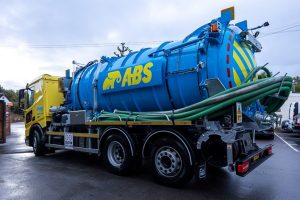
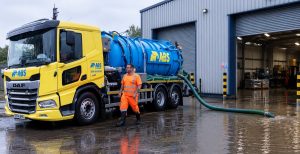
Our experienced drivers can empty and clean your treatment plant with minimal interruption to your day.