An interceptor is an underground chamber that collects surface water, grit, oil, and traces of oil and diesel. It’s important to ensure that as a commercial property owner, you are engaging with regular interceptor cleaning to ensure you are meeting Pollution Prevention Guidelines. The Environment Agency in fact recommends that interceptor cleaning should take place every 6 months to adhere to the guidelines.
Blockages of an interceptor can pose a health safety, and environmental risk – it can also be a costly experience with a lot of disruption for your business to rectify.
What Is Interceptor Cleaning?
Interceptors act to separate grit, soil, and other sedimentary material, oil, and diesel from water. Waste flows through the interceptor chambers and heavy waste sinks to the bottom of the tank. This results in traces of waste left over after the majority is released.
As oil interceptors contain hazardous materials, they require regular interceptor cleaning from a professional and legal management company, such as ABS to prevent harmful materials from running off into the drainage system or surrounding area. To ensure
Key Benefits of Oil Interceptor Cleaning and Maintenance
- Interceptor cleaning keeps your business safe from prosecution from environmental agencies and ensures you are adhering to strict regulations
- Ensuring that your oil interceptor is cleaned regularly prevents pollution of the local environment
- Regular interceptor cleaning is far cheaper than having to arrange for the disposal of oil that has accumulated over a long period of time due to lack of maintenance
How Often Should Is Interceptor Maintenance Required?
The Environment Agency does specify that interceptor cleaning should take place at least every 6 months.
However, in the UK we are prone to heavy and persistent rainfall and during those weather conditions, it is advisable to engage in interceptor cleaning more frequently i.e., every 3 months or more where there are areas prone to flooding. Flooding can cause contaminants to be washed into the interceptor and in turn, pollute the local environment. It is also advisable to have more frequent interceptor cleaning in areas where traffic levels are particularly high.
Without regular maintenance of your interceptor, you could be risking polluting the local environment for which you could be subject to legal proceedings under the Water Pollution Act or the Dangerous Substances Act.
Is Interceptor Waste Hazardous?
Oil interceptor waste is considered hazardous when not regularly cleaned or properly maintained. If an interceptor is not properly cleaned/maintained, over time it will stop functioning correctly and potentially hazardous materials are likely to flood into the local environment.
This causes a real risk to local soil and water channels and poses a real risk not just to public health but local wildlife and their habitats.
Why Choose ABS for Interceptor Cleaning?
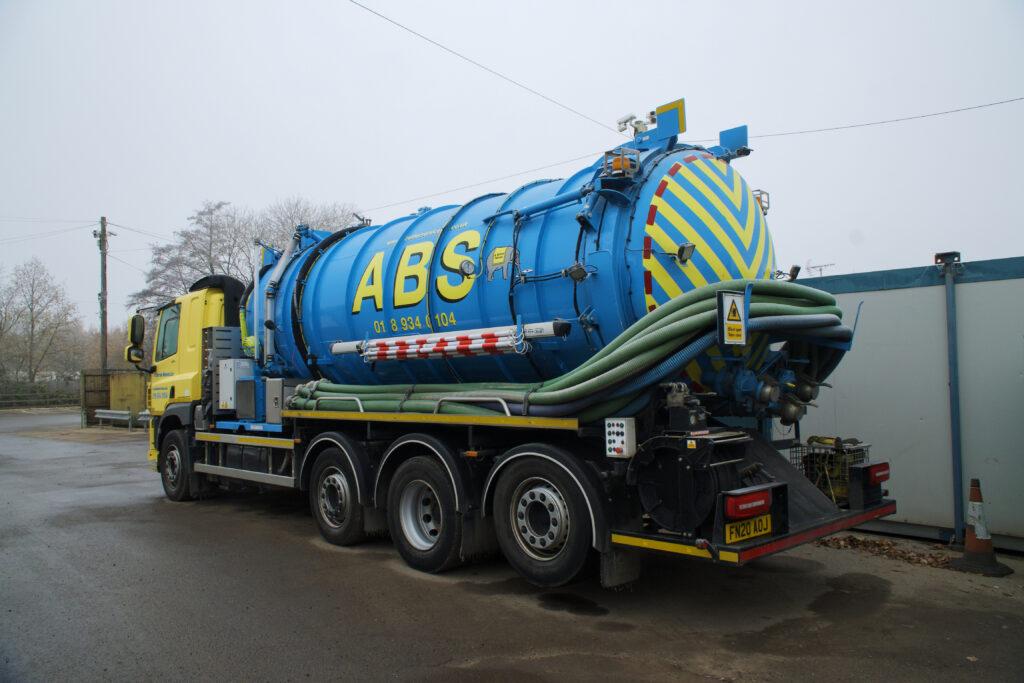
At ABS, we are licenced waste carriers so are authorised to clean and empty oil interceptors. We ensure that all waste is handled in line with strict environmental and safety regulations and with as little disruption to your business as possible.
At A Better Service Limited, we provide a re-occurrence system, removing the hassle of having to keep re-booking our services.
Even for the biggest interceptors, A Better Service Limited offers affordable cleaning solutions and maintenance plans.
Contact our friendly team today to find out how we can help your business with our professional and expert interceptor cleaning service.