Waste Oil Disposal Key Points:
- Waste oil must be handled, stored and disposed of correctly to prevent environmental damage and meet legal duties.
- Different industries generate different types of waste oil, and identifying the exact type is essential for safe and compliant disposal.
- Only authorised waste-oil collectors and licensed treatment facilities can legally remove and process used oils.
- Businesses must store waste oil securely on-site and keep different types of oil completely separate to remain compliant.
- Accurate documentation, regular reviews and exploring recycling or re-refining options are key parts of long-term waste-oil management.
The Importance of Responsible Waste Oil Management
Waste oil collection and disposal is far more than just a procedural task; it is a crucial environmental responsibility.
When oil is incorrectly handled or disposed of, it can seep into soil, contaminate watercourses and create long-lasting ecological damage. For any organisation that generates used oil, proper handling, storage and disposal are legal obligations rather than optional good practice.
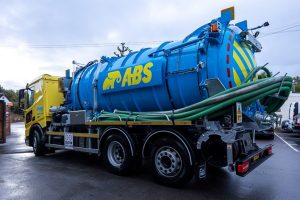
At A Better Service, we support businesses in meeting these obligations efficiently, safely and in a way that protects both people and the environment.
Industries That Produce Waste Oil
Many industries produce waste oil as part of their day-to-day operations, often in larger quantities than they realise. Vehicle garages and MOT centres rely on robust systems for disposing of engine and motor oil, just as industrial and manufacturing facilities work with hydraulic oils and lubricants, often with onsite Oil Interceptors.
Transport operators, construction and engineering firms, aviation services, and busy commercial kitchens all generate different forms of oil waste. Regardless of whether the oil originates from mechanical processes or food preparation, its correct identification and handling form the backbone of safe disposal.
Identifying the Waste Oil You Generate
The first step in managing waste oil responsibly is understanding exactly what type of oil your business produces. Used engine oils, transmission and hydraulic fluids, industrial lubricants and waste cooking oils all fall under the broad category of “waste oil”, yet each one may require a slightly different pathway for recycling or treatment. Knowing the precise type ensures that it is handled safely and directed to the appropriate disposal or re-refining facility.
Working with Authorised Collectors
Once the type of oil has been determined, the next priority is to work only with authorised, reputable collectors. Any organisation offering to remove waste oil must be properly licensed under UK environmental regulations.
A Better Service operates with full authorisation, from compliant vehicles to trained personnel, ensuring that every collection adheres to the strict legal standards governing hazardous waste.
Safe Storage Prior to Collection
Before collection takes place, businesses must make sure their waste oil is stored securely. This involves using appropriate containers that are specifically designed for oil storage, clearly labelling them with the exact type of oil they contain, and using bunded or secondary-containment systems where necessary to prevent leaks and accidental spills. Good storage practice not only protects the environment but also avoids the risk of collections being delayed or refused due to safety concerns.
The Importance of Keeping Oils Separate
Segregation is equally important. UK law is clear that different waste oils must not be mixed with each other or with other waste streams. Mineral oils, hydraulic fluids and used cooking oils all need to be stored separately to ensure safe transport and to maximise their potential for recycling. Mixing wastes can undermine treatment processes and may even make the entire batch unsuitable for recovery.
Ensuring Waste Oil Goes to Licensed Facilities
When waste oil leaves your premises, it must be transferred only to properly licensed facilities. These include authorised oil-collection points, permitted transfer stations or treatment centres that hold the necessary environmental permits. Checking that your chosen facility meets these requirements is essential for compliance and for maintaining a clear chain of responsibility.
Recycling and Re-Refining Opportunities
Before treating oil as waste, it is worth considering whether recycling or re-refining is possible. Across the UK, numerous licensed facilities can reprocess used oil into new products, supporting a circular economy and reducing the environmental footprint of your business. Recycled oils can often be used again in industrial settings, helping businesses cut waste while supporting sustainability goals.
Record-Keeping and Legal Documentation
Accurate record-keeping forms another core element of waste oil management. Businesses must keep detailed documentation of every transaction, including the type of oil collected, the date of removal, the quantity involved and the details of the authorised carrier or treatment site. Maintaining these records is a legal requirement and ensures full traceability in the event of an audit or inspection.
Continual Monitoring and Improvement
Good practice does not end once a system is in place. Businesses are encouraged to carry out regular reviews and audits of their storage arrangements, disposal methods and internal processes. Waste-oil regulations can evolve, and best-practice guidance often changes over time. Staying informed and reviewing your procedures ensures long-term compliance, reduces environmental risk and strengthens your organisation’s commitment to responsible waste management.
How A Better Service Supports Your Business
A Better Service offers a comprehensive approach to waste-oil collection and disposal, backed by full authorisation and extensive industry knowledge. We can provide secure containers, expert advice on safe storage, scheduled collections to avoid long-term accumulation and complete documentation for every job. Where recycling or re-refining is possible, we can also advise on environmentally beneficial options that support sustainability and reduce waste.
For garages, industrial sites, commercial kitchens and any business where waste oil is routinely generated, partnering with a trusted specialist makes compliance simpler and far more reliable. By choosing A Better Service, you can concentrate on your core operations while we manage the legal, environmental and logistical responsibilities of your waste-oil requirements.